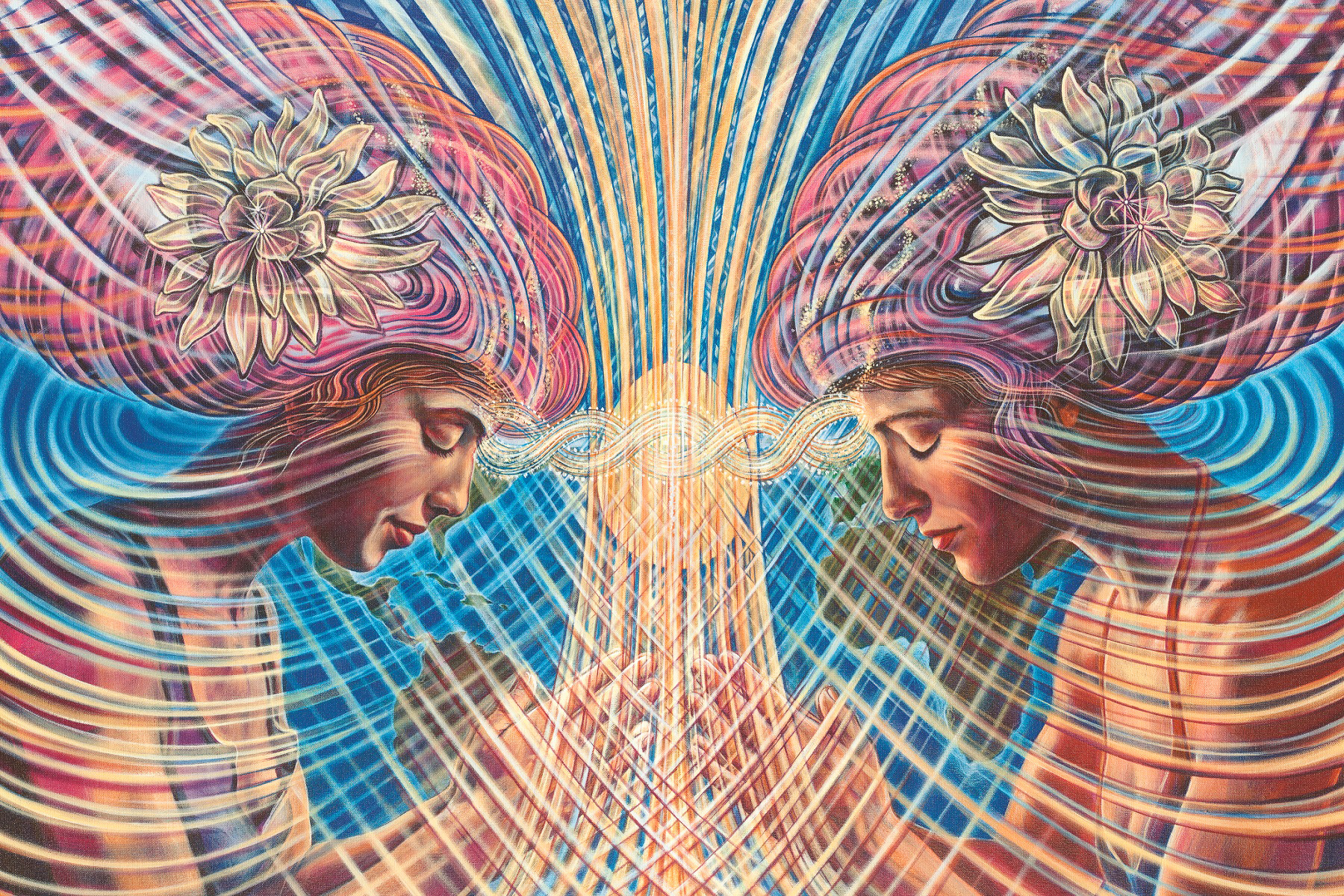
Meditation can help prepare consciousness for enlightenment by allowing attention to move beyond ordinary thought and towards the deeper stillness within. It is not necessary to force the mind into silence or attempt to manufacture a spiritual experience. The movement is usually gentler: learning to remain still, becoming less involved with thought, and allowing awareness to reveal dimensions of itself that are normally overlooked.
Meditation may initially bring relaxation, clarity, or a greater sense of inner balance. With time, it can also open the individual to profound experiences of Light, Sound, unity, expanded consciousness, and the nature of the true self.
Yet no particular experience should be demanded. Meditation develops most naturally when it is approached with patience, openness, and sincerity.
Preparing for Meditation
Choose a place where you are unlikely to be disturbed. Sit comfortably, either in a chair or in another position that allows the body to remain relaxed and reasonably upright.
There is no need to adopt a difficult posture. Physical comfort is important because unnecessary strain can draw attention repeatedly back towards the body.
Close your eyes gently and allow the breathing to settle into its natural rhythm.
For a few moments, simply notice the body, the breath, and any thoughts or feelings that are present. Nothing needs to be resisted or changed.
Moving Beyond Thought
The purpose of meditation is not to fight with the mind.
Thoughts will arise naturally. When they do, notice them without judgement and allow them to pass. There is no need to follow each thought or complete every inner conversation.
Attention can then return quietly to stillness.
Over time, it may become clear that thoughts appear within awareness, but awareness itself is not a thought. This recognition can begin to loosen the belief that consciousness is limited to the activity of the mind.
The spaces between thoughts may gradually become more noticeable, revealing an underlying silence that has always been present.

Meditation on the Inner Light
Some people become aware of Light when the eyes are closed. It may first appear as colours, flashes, points of brightness, patterns, or a gentle illumination.
There is no need to imagine or create anything. Simply rest the attention in the darkness before you and remain receptive.
The Light may change, move, brighten, or disappear. Try not to analyse it while meditating. Observation without expectation allows the experience to unfold more naturally.
A deeper view suggests that the inner Light may be more than a visual effect. It may represent an opening of consciousness towards subtler levels of awareness.
However, every experience should be approached with balance and discernment. The presence or absence of visible Light does not determine the value of a meditation.
Meditation on the Inner Sound
Inner Sound may be heard as a high tone, ringing, humming, rushing, music, bells, or a vibration that seems to arise independently of the physical environment.
To explore this, sit quietly and allow attention to move towards the most subtle Sound you can perceive within.
Do not strain to hear. Listening should remain gentle and relaxed.
The Sound may seem faint at first, but it can become clearer as attention settles. Some meditators find that following it inwardly draws consciousness beyond thought and towards increasingly refined states of awareness.
As with the Light, experiences of Sound vary considerably. They should not be compared too closely with the experiences of others.
Experiences during Meditation
Meditation can sometimes bring unexpected experiences. These may include stillness, expanded awareness, feelings of love, altered perceptions of the body, inner movement, Light, Sound, or a temporary disappearance of the familiar sense of self.
Such experiences may be beautiful and deeply reassuring, but it is helpful not to become attached to them.
An experience may reveal something important without being the final destination. Even a profound awakening may be followed by further change, integration, and deepening.
The most useful response is often to remain open, grounded, and observant, allowing the meaning of the experience to become clearer over time.

Meditation and Enlightenment
Meditation does not produce enlightenment in the same way that effort produces an ordinary result.
It can, however, help remove some of the distractions and identifications that prevent the deeper nature of consciousness from being recognised.
As the mind becomes quieter, the distinction between the observer and what is observed may begin to soften. There may be moments in which consciousness is experienced as open, boundless, and without a separate centre.
Enlightenment is not simply an unusual state experienced during meditation. It is a fundamental recognition of what we are, beyond the limited identity created through thought, memory, and personality.
Meditation may prepare the way for this recognition, but the timing and form of such a transformation cannot always be predicted.
Regular Practice
A regular period of meditation is generally more helpful than occasional attempts to achieve something dramatic.
Twenty to thirty minutes each day may provide a useful beginning. Those who feel comfortable may gradually extend the time.
It is often best to meditate at approximately the same time each day, allowing the practice to become a natural part of life.
Progress should not be judged only by what occurs while the eyes are closed. Greater patience, clarity, compassion, emotional balance, and freedom from unnecessary thought may all indicate that meditation is becoming integrated.
Guidance and Support
Most meditation develops gradually and safely. Occasionally, however, a powerful experience may leave someone uncertain, emotionally unsettled, or unsure how to continue.
At such times, guidance from an experienced meditator can be helpful.
Genuine guidance should not encourage dependence or insist upon a fixed interpretation. It should help the individual understand the experience, remain balanced, and continue with greater confidence.
Meditation is ultimately a personal exploration of consciousness. Guidance may assist the journey, but direct experience remains central.
Click for the next page: Enlightened Life
